Exploring the Rich Culinary Practice of Western Australian Food: A Journey Through Tastes
Western Australian cuisine mirrors a special blend of active ingredients and cultures. Indigenous elements like bush tomatoes and lemon myrtle play an important duty. The region's closeness to the Indian Ocean assures a continuous supply of fresh fish and shellfish. Yorgo Kattan. Furthermore, cutting-edge chefs are reinterpreting traditional recipes. This cooking landscape is also formed by local ranches and food events. As the exploration proceeds, one may question just how these aspects link to create an unique gastronomic identification
The Influence of Aboriginal Ingredients
As Australian cuisine advances, the influence of Native active ingredients has ended up being significantly prominent. Western Australian cooks are welcoming typical native foods, such as bush tomatoes, wattleseed, and quandongs, incorporating them into contemporary recipes. This cooking shift not just honors the abundant heritage of Aboriginal cultures however additionally highlights the unique tastes and nutritional benefits of these active ingredients. As an example, making use of indigenous natural herbs like saltbush and lemon myrtle adds distinctive flavors to both sweet and tasty meals, while advertising sustainability. Furthermore, Native cooking methods, such as bush tucker foraging, are getting acknowledgment, cultivating a much deeper link in between food and the land. This expanding admiration for Aboriginal active ingredients improves Western Australian food and mirrors a more comprehensive motion in the direction of cultural respect and environmental consciousness.
Fresh Seafood From the Indian Sea
Structure on the abundant tapestry of Western Australian food, fresh seafood from the Indian Ocean plays a critical role in crafting unique culinary experiences. The sea's bounty consists of a variety of types such as snapper, king, and barramundi prawns, celebrated for their remarkable flavors and top quality. Regional chefs showcase these active ingredients in different meals, frequently highlighting their freshness via basic preparation methods that permit the seafood to shine. In addition, the lively fishing communities along the shore assurance that the catch is often sourced sustainably, mirroring a commitment to both quality and ecological stewardship. This emphasis on fresh, neighborhood seafood not just improves the area's culinary landscape yet likewise cultivates a deep connection in between the land, sea, and its people.
The Bounty of the Swan Valley
The Swan Valley is renowned for its abundant agricultural bounty, highlighted by a varied option of regional white wine varieties. This region additionally boasts a vivid community of artisan food manufacturers, offering special and top quality items. With each other, these aspects develop a cooking landscape that reflects the location's bountiful resources and innovative spirit.
Local Wine Ranges
Snuggled simply a short drive from Perth, the Swan Valley stands as a tribute to Western Australia's abundant viticultural heritage. This region is renowned for its varied array of local wine selections, which prosper in the abundant soils and positive environment. Trick varietals include lavish Semillon and aromatic Chenin Blanc, both commemorated for their quality and vivid tastes. The valley also creates durable Cabernet Sauvignon and elegant Shiraz, showcasing the special terroir of the area. Red wine lovers usually visit local wineries for tastings, taking pleasure in the elegant blends crafted by skilled vintners. With a commitment to sustainable practices, the Swan Valley continues to develop, drawing in both lovers and laid-back drinkers keen to explore its extraordinary offerings worldwide of white wine.
Craftsmen Food Producers
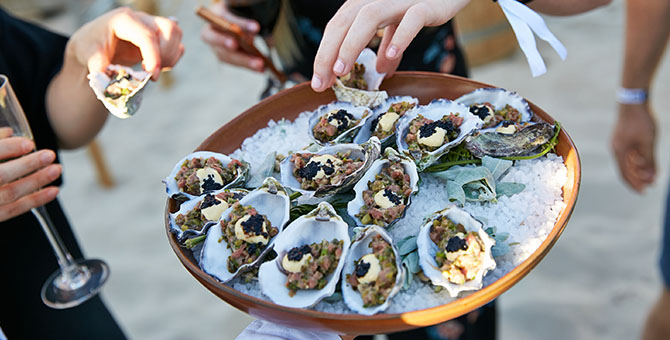
As site visitors discover the Swan Valley, they are usually astounded by the region's thriving artisan food producers, who craft a diverse variety of gourmet products. The valley is home to various small-scale farms and workshops, where enthusiastic craftsmens produce whatever from handcrafted cheeses to artisanal chocolates. Local producers emphasize quality and sustainability, sourcing active ingredients from the surrounding land to assure quality and taste. Visitors can indulge in olive oils, preserves, and gourmet sauces, each mirroring the one-of-a-kind terroir of the area. Routine farmers' markets and tasting events permit visitors to engage directly with manufacturers, cultivating a feeling of neighborhood and appreciation for local workmanship. This cooking bounty not only enhances the valley's gastronomy yet likewise showcases Western Australia's rich farming heritage.
Culinary Blend: A Melting Pot of Cultures
Culinary blend in Western Australia exhibits the blending of varied cultural influences, where Aboriginal components and techniques fulfill the tastes introduced by immigrant areas. This rich tapestry of culinary methods has offered increase to modern blend cuisine fads that commemorate both tradition and technology. As chefs experiment with these components, they create recipes that show the state's unique modern identity.
Native Ingredients and Methods
While the rich cooking traditions of Western Australia show a varied cultural heritage, Aboriginal components and strategies attract attention as vital components in this combination. Indigenous neighborhoods have actually long relied upon indigenous plants and animals, such as bush tomatoes, finger limes, and kangaroo, which are important to their cooking techniques. These ingredients not only provide special tastes however likewise personify respect for the land and sustainability. Standard food preparation methods, such as cooking in planet stoves or using smoke, improve the tastes of these ingredients while protecting social value. By incorporating these Native components right into modern cuisine, chefs commemorate the deep links in between food, culture, and atmosphere, developing a distinctive Western Australian culinary identity that honors its past while accepting advancement.
Impact of Immigrant Societies
Immigrant societies have actually profoundly shaped the culinary landscape of Western Australia, enriching it with diverse flavors and techniques. As waves of migrants arrived, they brought with them conventional recipes and cooking techniques that intermingled with regional components. The influence of Italian, Chinese, Indian, and Greek neighborhoods is especially noteworthy, as they introduced new spices and cooking styles that check this have become integral to the area's food identification. The usage of fresh fish and shellfish in pasta meals shows Italian influence, while the unification of seasonings in curries Look At This showcases Indian cooking customs. This combination has created one-of-a-kind recipes that celebrate both heritage and development, making Western Australian cuisine a vivid tapestry of international influences, rooted in its multicultural past.
Modern Blend Food Trends
An expanding pattern in Western Australia's food scene is the development of modern blend cuisine, which creatively mixes diverse cooking customs to produce cutting-edge meals. Chefs in the area try out ingredients and strategies from various societies, crafting distinct culinary experiences that mirror the state's multicultural heritage. As an example, Oriental tastes may be combined with indigenous Australian ingredients, causing dishes that reverberate with both local and global tastes buds. This combination approach not only boosts the dining experience yet additionally promotes a sense of area as it showcases the rich tapestry of cultures that affect Western Australian food. As diners progressively look for adventurous flavors, modern-day fusion cuisine proceeds to thrive, establishing itself as a trademark of modern culinary creativity in the area.
Cutting-edge Chefs and Their Signature Dishes
As Western Australia welcomes its abundant culinary heritage, innovative chefs are redefining the eating experience with their trademark dishes. These culinary artists blend standard strategies with contemporary flair, producing meals that show the area's diverse tastes. Cooks like Amy Hamilton, known for her adventurous handles seafood, usage regional active ingredients to craft recipes that celebrate the ocean's bounty. David Coomer combines indigenous flavors with modern food preparation approaches, generating an unique blend that astounds restaurants. An additional climbing celebrity, Sarah Tiong, showcases her origins by integrating Oriental influences into classic Australian price, causing vivid, split tastes. With their imagination, these chefs are not just boosting Western Australian food however likewise enhancing its visibility on the international cooking stage.
Farm-to-Table: Embracing Local Generate
Just how does the farm-to-table motion shape the eating landscape in Western Australia? This strategy highlights the significance of sourcing ingredients straight from neighborhood farms, enhancing the link between consumers and manufacturers. Several dining establishments have embraced this approach, showcasing seasonal produce that mirrors the area's distinct environment and biodiversity. By prioritizing fresh, locally-grown ingredients, cooks can produce recipes that commemorate Western Australia's rich farming heritage. This movement not just supports neighborhood economic climates but additionally decreases the carbon impact connected with food transportation. Restaurants are increasingly attracted to the transparency and credibility of farm-to-table dining, promoting a deeper recognition for the flavors and stories behind their dishes. In general, this fad enhances the cooking experience while promoting lasting practices within useful link the food market.
Commemorating Food Festivals and Events in WA
Western Australia flaunts a vibrant variety of food festivals and events that commemorate its diverse culinary landscape. These celebrations showcase local produce, cutting-edge chefs, and typical recipes, drawing in food fanatics from far and wide. Occasions such as the Margaret River Gourmet Getaway attribute popular chefs and food manufacturers, supplying a taste of the region's ideal. The Perth Food Event highlights multicultural cuisines, enabling participants to explore cooking designs and various flavors. Furthermore, local events, like the Great Southern Food Event, emphasize the significance of regional active ingredients and sustainability. Via these celebrations, Western Australia not only promotes its rich culinary heritage however likewise cultivates area links and appreciation for the art of cooking, making it a gastronomic destination worth exploring.
Frequently Asked Concerns
What Are Some Conventional Meals Special to Western Australia?
Typical recipes one-of-a-kind to Western Australia consist of barramundi, kangaroo steak, damper bread, and indigenous bush tucker such as quandong and wattleseed. These tastes show the area's diverse cultural influences and natural resources.
Exactly How Can I Discover Regional Food Markets in WA?
To discover local food markets in Western Australia, one can search online for area listings, examine social media sites web pages, or get in touch with neighborhood tourist web sites that offer updated information on market areas and running hours.
What Function Does Red Wine Play in Western Australian Cuisine?
A glass of wine plays a substantial function in Western Australian cuisine, enhancing recipes with its varied flavors. The area's wineries create top quality wines that pair perfectly with regional ingredients, elevating the total dining experience for both residents and site visitors.
Exist Vegetarian Options in Western Australian Cuisine?
Yes, Western Australian food uses a variety of vegan choices, showcasing local fruit and vegetables. Yorgo Kattan. Dishes usually include fresh vegetables, grains, and vegetables, reflecting the area's agricultural variety and commitment to lasting, plant-based culinary techniques
How Has Tourist Impacted the Food Scene in Western Australia?
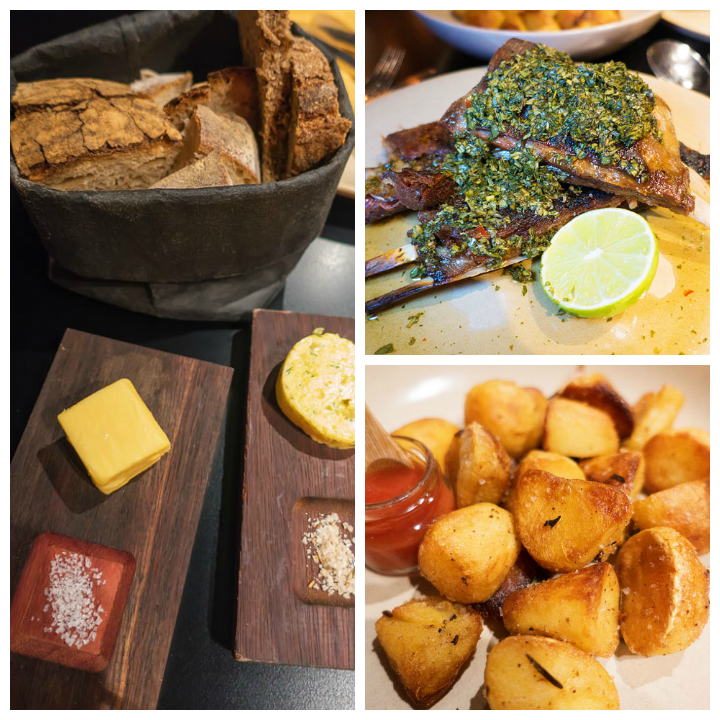
Culinary blend in Western Australia exemplifies the mixing of diverse cultural impacts, where Indigenous active ingredients and techniques satisfy the tastes introduced by immigrant areas. While the rich culinary practices of Western Australia reflect a varied social heritage, Indigenous active ingredients and techniques stand out as vital parts in this fusion. An expanding fad in Western Australia's food scene is the development of modern-day blend cuisine, which artistically mixes varied culinary customs to generate innovative dishes. Western Australia flaunts a vivid range of food celebrations and occasions that commemorate its diverse cooking landscape. Tourism has noticeably enriched Western Australia's food scene, introducing diverse cooking impacts and motivating local chefs to innovate.